Effective Blog Post Mold And Mildew Removal Solutions for Your Home
Mold growth in homes can be a relentless problem, often calling for a systematic strategy for reliable post-remediation solutions. From understanding the factors that contribute to mold development to applying appropriate cleansing strategies and moisture control actions, the process can be intricate yet essential for preserving a healthy living setting. Post Mold Remediation Report.
Recognizing Mold Growth Factors
Mold and mildew growth is influenced by a variety of factors that are important to comprehend in order to properly deal with and avoid its spreading. Comprehending these aspects is important in applying effective mold removal approaches. The primary aspect adding to mold development is moisture. Mold and mildew spores require dampness to flourish and sprout, making damp or moist settings highly at risk to mold infestations. Poor ventilation can likewise lead to moisture build-up, developing a perfect breeding place for mold and mildew.
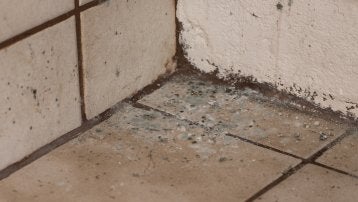
Moreover, airflow and light exposure can impact mold and mildew growth. Locations that do not have correct air flow and all-natural light are a lot more vulnerable to mold development. By dealing with these factors adequately, people can properly reduce mold and mildew growth and guard their living environments.
Correct Mold And Mildew Cleansing Methods
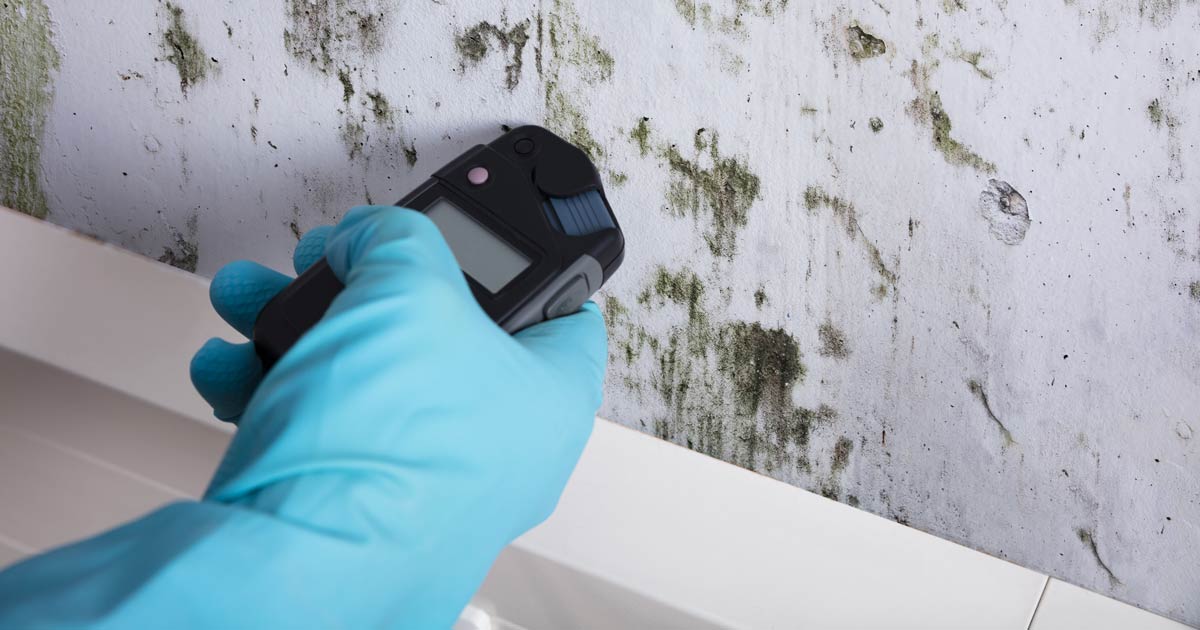
Utilizing efficient cleansing techniques is important in preventing the reoccurrence and attending to of mold contamination in indoor atmospheres. When managing mold, it is important to focus on security by using safety gear such as handwear covers, masks, and goggles. The initial step in proper mold and mildew cleaning is to consist of the damaged location to stop the spread of spores to uncontaminated areas. This can be attained by sealing the space and utilizing air scrubbers or adverse air equipments to preserve air top quality.
Executing Wetness Control Measures
To properly protect against mold growth and contamination in interior settings, carrying out dampness control measures is vital. Additionally, guaranteeing proper air flow in areas prone to moisture build-up, such as shower rooms and kitchen areas, can aid minimize the threat of mold and mildew growth. By vigilantly executing these wetness control measures, homeowners can properly reduce the chance of mold and mildew recontamination and preserve a healthy indoor setting.
Using Natural Remediation Solutions
After effectively implementing dampness control steps to avoid mold and mildew growth in interior atmospheres, homeowners can currently discover the effectiveness of all-natural remediation options in maintaining a healthy and balanced living area. All-natural remediation remedies utilize environmentally friendly methods to like it fight mold and mildew, making them a prominent selection for those looking for non-toxic alternatives. By integrating these natural remediation options into their cleansing regimens, house owners can effectively fight mold growth while advertising a healthier indoor setting for themselves and their households.
Maintaining a Mold-Free Setting
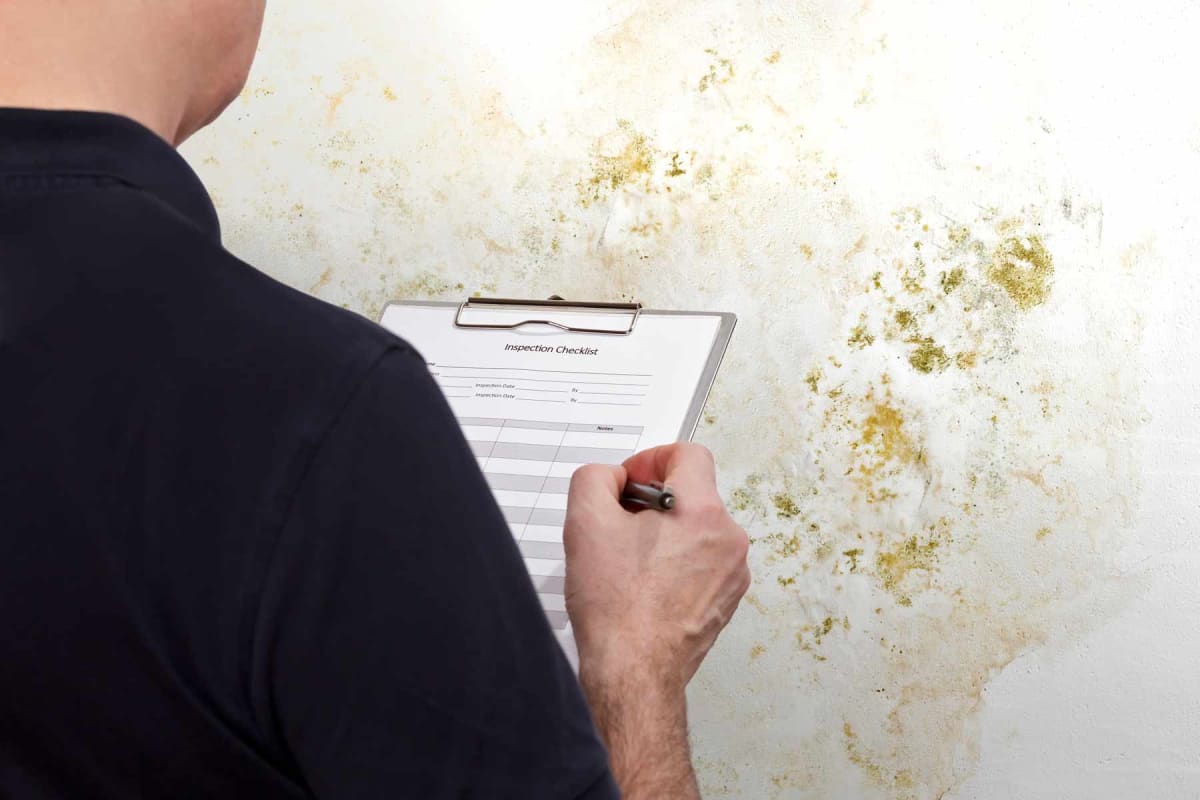
Routinely inspecting locations prone to mold growth, such as shower rooms, attic rooms, kitchens, and basements, is crucial. Correct ventilation in areas with high humidity levels is also key to avoiding mold development.
Additionally, preserving tidiness in the home is crucial for mold avoidance. Maintaining indoor plants in check and making certain proper water drainage in exterior landscape design can reduce moisture build-up, decreasing the chance of mold and mildew invasions.
Conclusion

Finally, it is vital to deal with mold growth variables, utilize proper cleansing techniques, carry out wetness control steps, make use of natural remediation solutions, and preserve a mold-free atmosphere in order to efficiently take care of article mold removal in your home - After mold remediation. By adhering to these techniques, you can protect against mold and mildew from reoccuring and guarantee a healthy and balanced living environment for you and your family
The main factor contributing to mold growth is wetness. Mold and mildew spores need moisture to germinate and prosper, making damp or wet environments highly prone to mold review problems.To effectively avoid mold and mildew development and contamination in indoor settings, executing moisture control measures is paramount. Additionally, guaranteeing appropriate air flow in locations vulnerable to moisture build-up, such as kitchen areas and shower rooms, can aid lower the threat of mold and mildew development.After efficiently applying dampness control procedures to protect against mold and mildew development in indoor atmospheres, house owners can now check out the efficiency of natural remediation solutions in keeping a healthy and balanced living area.